
gold illuminated mirror
Kontrola Spawów z użyciem Wskaźnika do Spawania W dzisiejszych czasach branża przemysłowa stawia duży nacisk na jakość procesów produkcyjnych, a w szczególności na trwałość i niezawodność połączeń spawanych. W tej dziedzinie niezwykle istotna jest kontrola spoin, której dokonuje się przy użyciu różnorodnych narzędzi i metod. Jednym z najważniejszych instrumentów w ocenie jakości spawów jest wskaźnik do spawania, znany również jako gwintownik spawalniczy lub suwmiarka do spawów. Czym jest wskaźnik do spawania? Wskaźnik do spawania to narzędzie pomiarowe, które służy do oceny wymiarów i jakości spoin. Zazwyczaj wykonany jest z metalu, a jego konstrukcja zapewnia łatwość w użyciu oraz precyzję pomiarów. Umożliwia on kontrolę głębokości, szerokości i kształtu spoin, co jest kluczowe dla zapewnienia, że połączenia są wykonane zgodnie z normami i specyfikacjami technicznymi. Dlaczego kontrola spawów jest ważna? Nieprzestrzeganie standardów i nieprawidłowe wykonanie spoin może prowadzić do poważnych problemów. W przemyśle budowlanym, motoryzacyjnym czy lotniczym, nienależycie wykonane spawy mogą pociągać za sobą katastrofalne konsekwencje. Kontrola spawów pozwala na wczesne wykrycie wad, co z kolei może znacznie ograniczyć ryzyko awarii, zwiększając tym samym bezpieczeństwo użytkowników końcowych. Przykłady zastosowania Wskaźniki do spawania są szeroko stosowane w różnych dziedzinach przemysłu. Na przykład w budownictwie, gdzie atestacja spoin jest kluczowa dla zachowania stabilności konstrukcji. W branży motoryzacyjnej, gdzie każdy element musi spełniać wysokie standardy bezpieczeństwa, kontrola spawów jest niezbędna. Również w przemyśle lotniczym, gdzie niezawodność i jakość materiałów są na wagę złota, wskaźniki do spawania odgrywają kluczową rolę. Jak korzystać ze wskaźnika do spawania? welding inspection ruler Użycie wskaźnika do spawania jest dość proste, jednak wymaga pewnej wprawy. Proces ten zazwyczaj obejmuje następujące kroki 1. Przygotowanie powierzchni - przed wykonaniem pomiaru, upewnij się, że powierzchnia spoiny jest czysta i wolna od zanieczyszczeń. 2. Pomiar głębokości spoiny - użyj końcówki wskaźnika do pomiaru głębokości spoiny. Upewnij się, że narzędzie jest dobrze osadzone, aby uzyskać dokładny wynik. 3. Pomiar szerokości spoiny - zwróć uwagę na szerokość spoiny, gdyż jest to kluczowy czynnik określający jej jakość. 4. Analiza wyników - po wykonaniu pomiarów, porównaj wyniki z wymaganiami zawartymi w specyfikacji technicznej. 5. Dokumentacja - sporządź odpowiednią dokumentację, która potwierdzi przeprowadzone kontrole i wyniki. Podsumowanie Wskaźnik do spawania jest niezastąpionym narzędziem w kontroli jakości spoin. Jego właściwe użycie pozwala na identyfikację potencjalnych wad oraz zapewnienie, że wszystkie połączenia spawane spełniają najwyższe standardy jakości. W obliczu rosnących wymagań jakościowych w przemysłach takich jak budownictwo, motoryzacja czy lotnictwo, wskaźnik ten zyskuje na znaczeniu i staje się kluczowym elementem zapewniającym bezpieczeństwo i niezawodność konstrukcji. Niezależnie od branży, dbałość o szczegóły i jakość realizowanych spoin to krok w kierunku bardziej efektywnych i bezpiecznych procesów produkcyjnych.
about
gold illuminated mirror
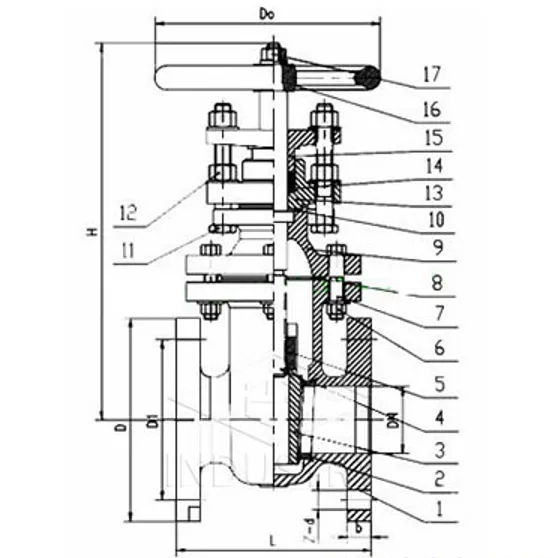
The Importance of 2% Gate Valve in Industrial Applications Gate valves are crucial components in various industrial applications, utilized for controlling the flow of liquids and gases. Among the different types of gate valves, the 2% gate valve has emerged as a significant variant, particularly in the year 2016, when innovations and improvements in valve technology reached new heights. This article explores the features, advantages, and applications of 2% gate valves, highlighting their relevance in modern industry. Understanding Gate Valves Gate valves are designed to provide a straight flow path through the valve, making them ideal for fully open or fully closed operations. This design minimizes the pressure drop and turbulence in the pipeline, which is essential for maintaining efficient flow rates. Gate valves operate using a gate-like mechanism that moves up and down, allowing or obstructing the flow of media. The term 2% refers to the tolerance level in the manufacturing process, ensuring that the valve's performance specifications are maintained within an acceptable range. Key Features of 2% Gate Valves One of the significant aspects of the 2% gate valve is its precision engineering. The 2% tolerance allows manufacturers to deliver products that perform reliably under various conditions. These valves are typically constructed from durable materials such as stainless steel, carbon steel, or cast iron, which enhances their longevity and resistance to corrosive environments. Additionally, 2% gate valves are designed for high-pressure and high-temperature applications, making them suitable for use in industries such as oil and gas, water treatment, and chemical manufacturing. Another notable feature is the ease of operation. Most 2% gate valves are equipped with a manual handwheel or an actuator for automated control, providing flexibility in operations. The valve’s design ensures minimal friction during opening and closing, which contributes to its operational efficiency. 2 1 16 gate valve Advantages of 2% Gate Valves The advantages of 2% gate valves are manifold. Firstly, their quick and straightforward operation reduces downtime in industrial processes. When immediate flow control is necessary, these valves can be opened or closed rapidly, ensuring processes are not unnecessarily delayed. Secondly, their low-pressure drop characteristics promote energy efficiency, leading to cost savings in both operational and energy expenses. Moreover, the durability of the materials used in 2% gate valves ensures that they can withstand harsh conditions without significant wear and tear. This resilience leads to a lower frequency of maintenance and replacement, further enhancing their cost-effectiveness. Applications in Various Industries 2% gate valves find applications across a wide array of industries. In the oil and gas sector, for instance, they are utilized in exploration and production environments where controlling the flow of hydrocarbons is critical. Likewise, in the water treatment industry, these valves help regulate the flow of water through treatment facilities, ensuring that processes run smoothly and efficiently. Additionally, the chemical manufacturing sector employs 2% gate valves to manage the flow of various chemicals, promoting safety and reliability in hazardous environments. Conclusion In conclusion, the 2% gate valve represents a vital innovation in valve technology that addresses the growing needs of various industrial applications. Its precision engineering, operational efficiency, and durability make it an indispensable component for industries where flow control is paramount. As industries continue to evolve and demand higher performance standards, the importance of robust solutions like the 2% gate valve will only increase, ensuring safe and efficient operations across the globe. Understanding the features and applications of these valves is essential for engineers and operators who strive to maintain optimal performance in their systems.
-

High quality industrial productsagement

High quality industrial products
View Details -

Meet the diverse needs of customers

Meet the diverse needs of customers
View Details -

Strict quality control

Strict quality control
View Details -

Top raw materials

Top raw materials
View Details -

Trusted supplier

Trusted supplier
View Details
Our application
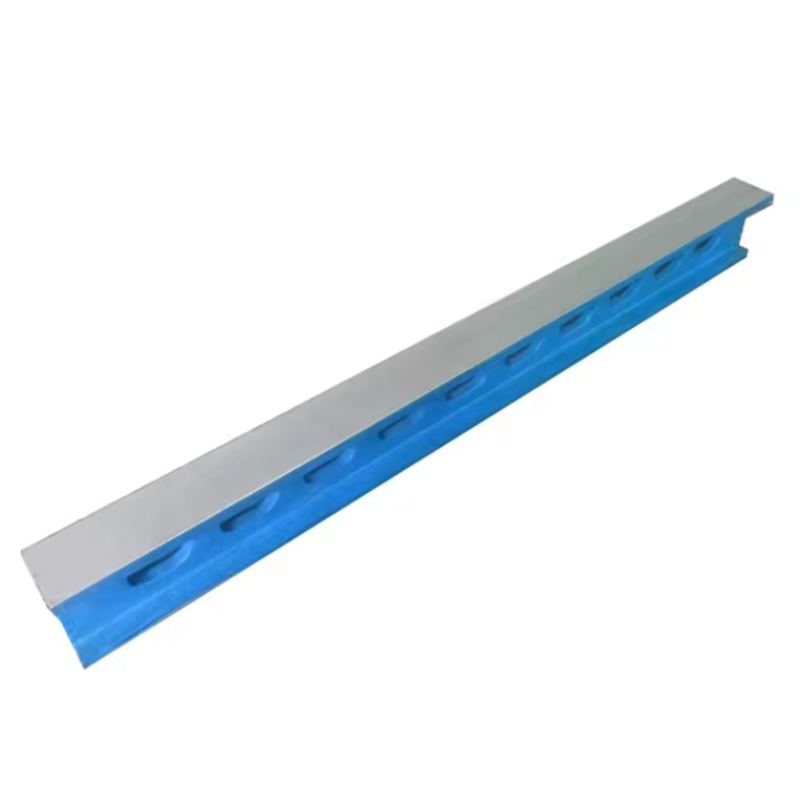
news and information
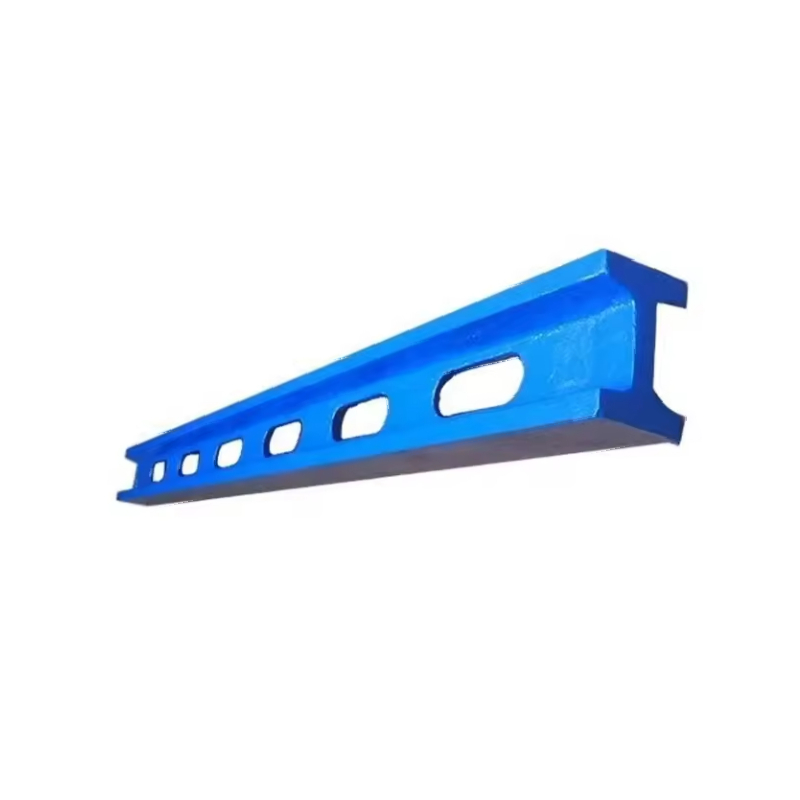
Valve Automation_ Benefits of Motorized Control Systems
In today’s rapidly evolving industrial landscape, automation has become synonymous with efficiency,
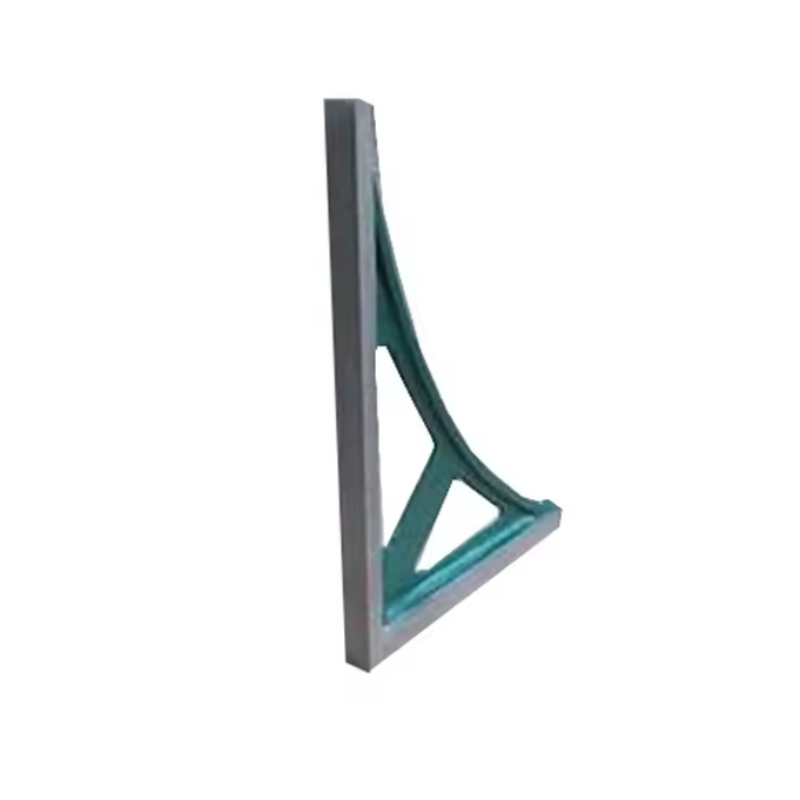
Y filtre en fonte
Le Strainer Y en Fonte Un Équipement Indispensable pour l’Industrie Dans le domaine de l’industrie,

Water Meter Shutdown Valve Installation and Maintenance Guide for Homeowners
Understanding Water Meter Shut-Off Valves Importance, Functionality, and Maintenance In residential
 English